In short
- Sublimation dyes the design into the fabric, so it can’t crack or peel.
- Every colour costs the same on a sublimated uniform.
- Screen print and vinyl sit on top, and suit cotton tees.
- Sublimation needs polyester, so it’s the standard for game uniforms.
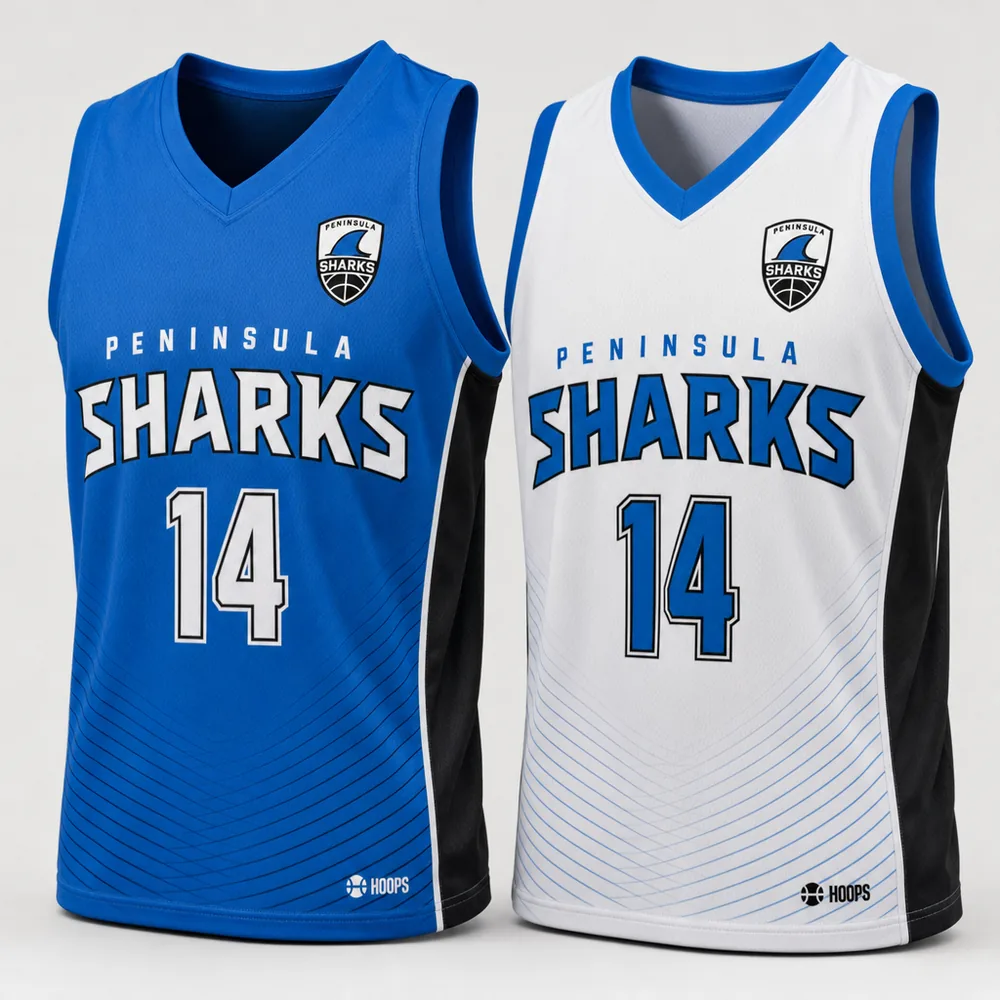
For basketball uniforms, sublimation is the better choice. The design is dyed into the fabric, so names, numbers and colours can’t crack, peel or fade, and ten colours cost the same as two. Screen printing and heat-pressed vinyl put a layer on top of the fabric, which suits cotton tees but wears on a game singlet.
Here’s how each method works, how they compare, and where each one belongs in a club’s range.
How sublimation works
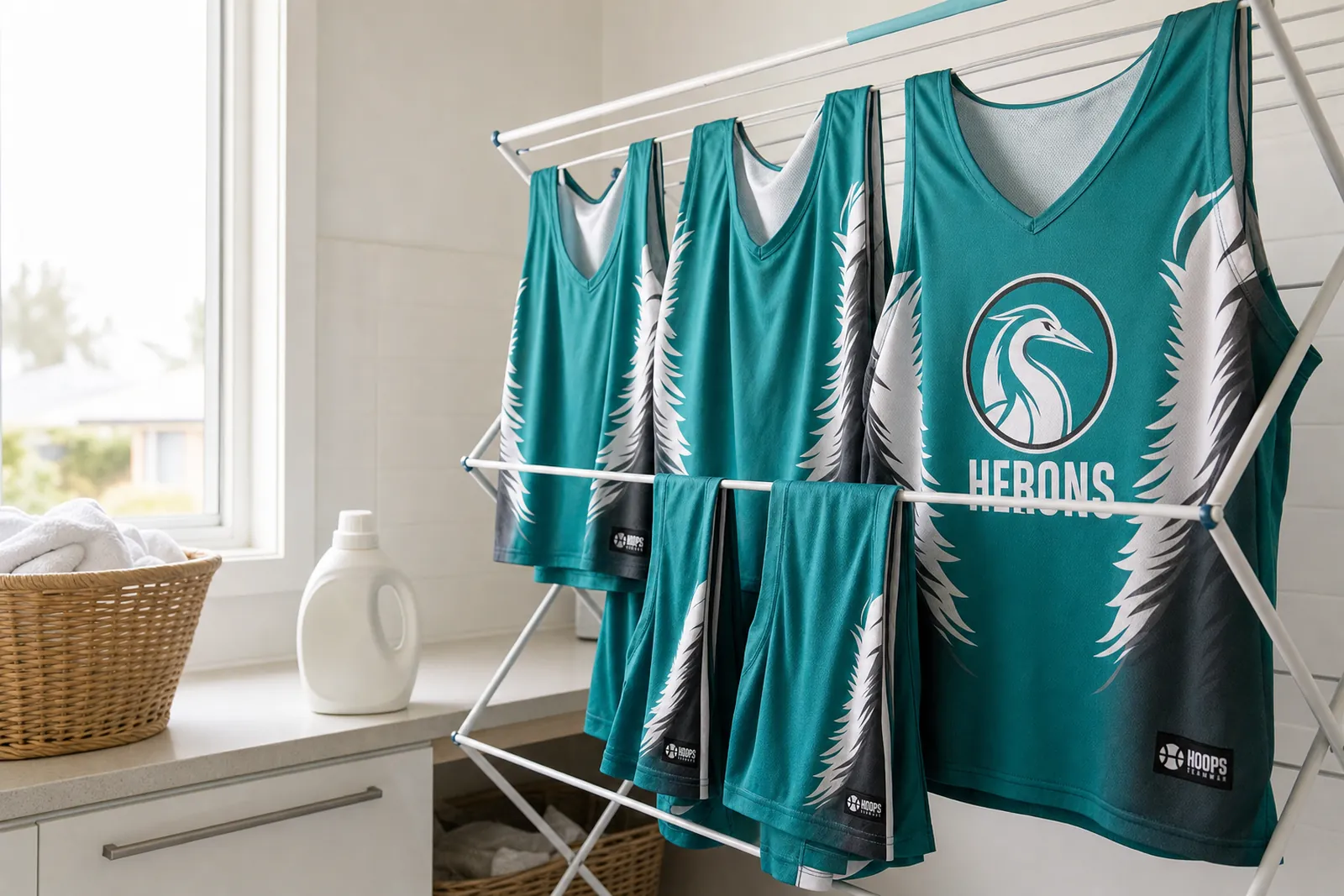
The design is printed onto special paper, then pressed against white polyester fabric under heat. The heat turns the ink into a gas that bonds with the polyester fibres. When it cools, the colour is part of the fabric, not a layer on top.
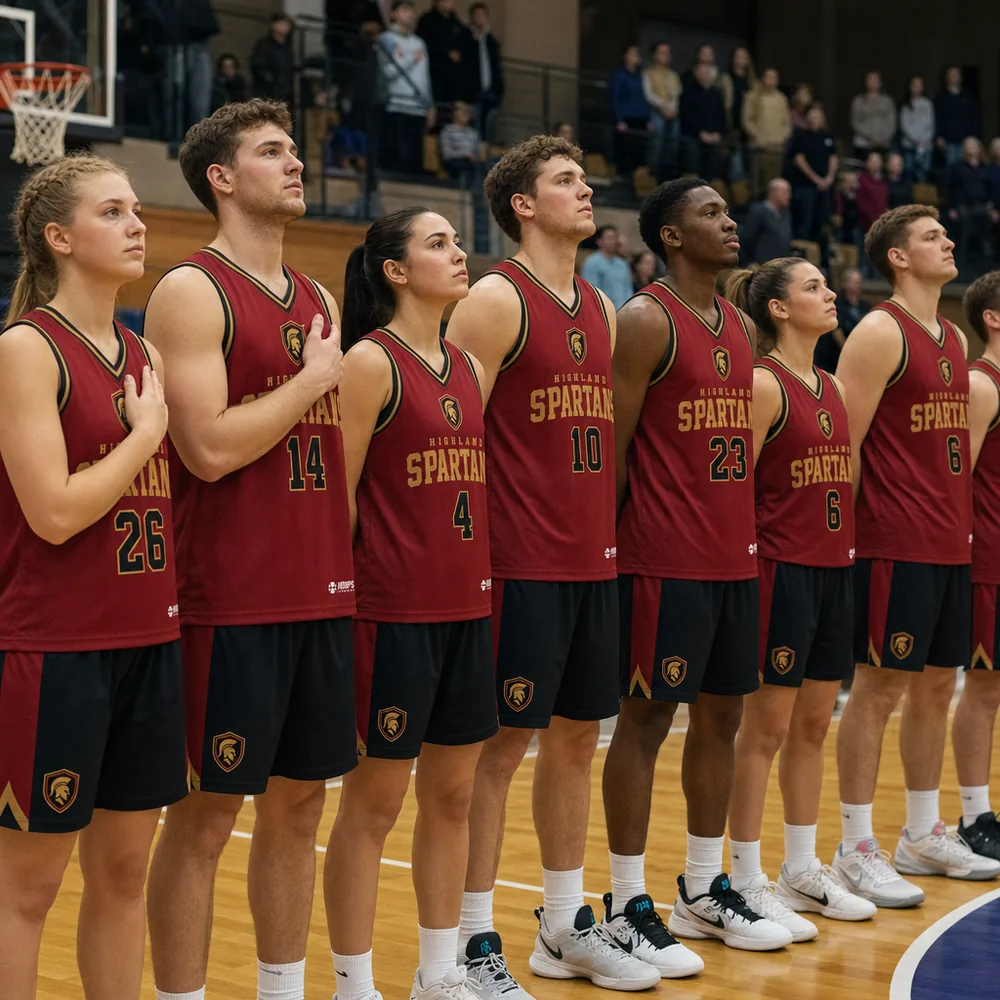
Because the whole panel is printed, there’s no limit to the design. Gradients, patterns, photos and any number of colours cost the same. The fabric stays as light and breathable as it was before printing.
How screen printing and vinyl work
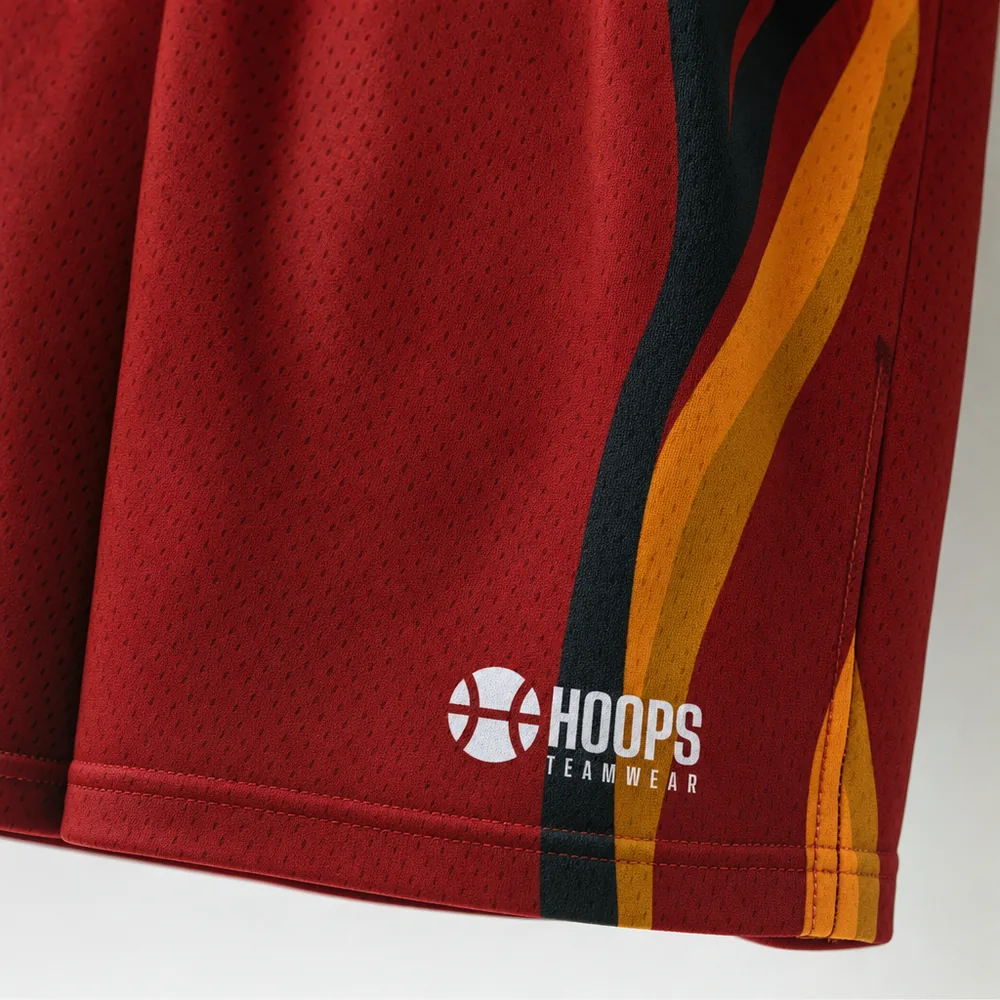
Screen printing pushes ink through a mesh screen onto the garment, one screen per colour. It’s cheap per item for large runs of a simple design, which is why it’s common on cotton tees. The ink sits on top of the fabric and can crack after many washes.
Heat transfer vinyl is cut into letters and numbers, then heat-pressed onto the garment. It’s used to add names and numbers to stock singlets. Vinyl is a solid layer, so it doesn’t breathe, and its edges can lift over a season of washing and sweat.
Side by side
| Feature | Sublimation | Screen print | Vinyl |
|---|---|---|---|
| How it works | Dye bonds into the fibres | Ink sits on top of the fabric | Vinyl is heat-pressed on top |
| Colours | Unlimited, same price | Priced per colour | One colour per layer |
| Cracking and peeling | Can’t crack or peel | Can crack over time | Can lift and peel |
| Feel | No layer: as light as the fabric | A layer you can feel | A thicker, less breathable patch |
| Fabrics | Polyester only | Cotton and polyester | Most fabrics |
| Best for | Game uniforms, warm-ups | Cotton tees, large runs | Names and numbers on stock singlets |
Why it matters on court
- Numbers stay legible. Cracked or peeling numbers can be a problem at the scorer’s table.
- Cooler to play in. A large vinyl number on the back is a patch of plastic that traps heat.
- Uniforms last. Sublimated uniforms usually outgrow the player before they wear out, so they can be handed down.
- Design freedom. Side panels, fades and patterns cost nothing extra. See jersey design ideas.
The trade-offs
Sublimation only works on polyester and on white or light fabric, because the dye has to show through. That’s why sublimated uniforms are made from polyester mesh and why the whole garment is printed, not just the logo. For cotton tees, screen printing is still the right choice.
Our fabrics
Our game singlets, shorts and warm-ups are fully sublimated. For singlets you can choose:
- Performance mesh: breathable and lightweight, our most popular fabric
- Interlock: a smooth face for sharper print detail
- 100% recycled polyester: ask for it with your quote and we’ll confirm which items it’s available for. See sustainability
And embroidery?
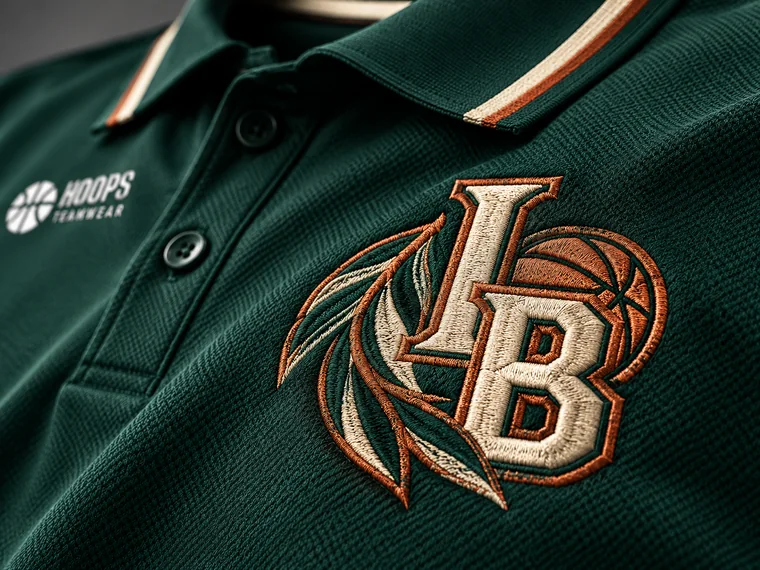
Embroidery stitches a logo in thread. It looks premium on polos, quarter-zips, jackets and caps, but it’s too heavy and stiff for a game singlet. For our off-court range we recommend embroidery or printing item by item: embroidery for small chest logos, printing for large back designs.
Caring for sublimated uniforms
Wash cold, inside out, skip the fabric softener and line dry in the shade. See how to wash sublimated uniforms.
To see your design sublimated, start in Design Your Jersey or request a quote for a free mock-up.