In short
- Two or three colours, one idea and clear numbers.
- Keep the area behind the numbers plain.
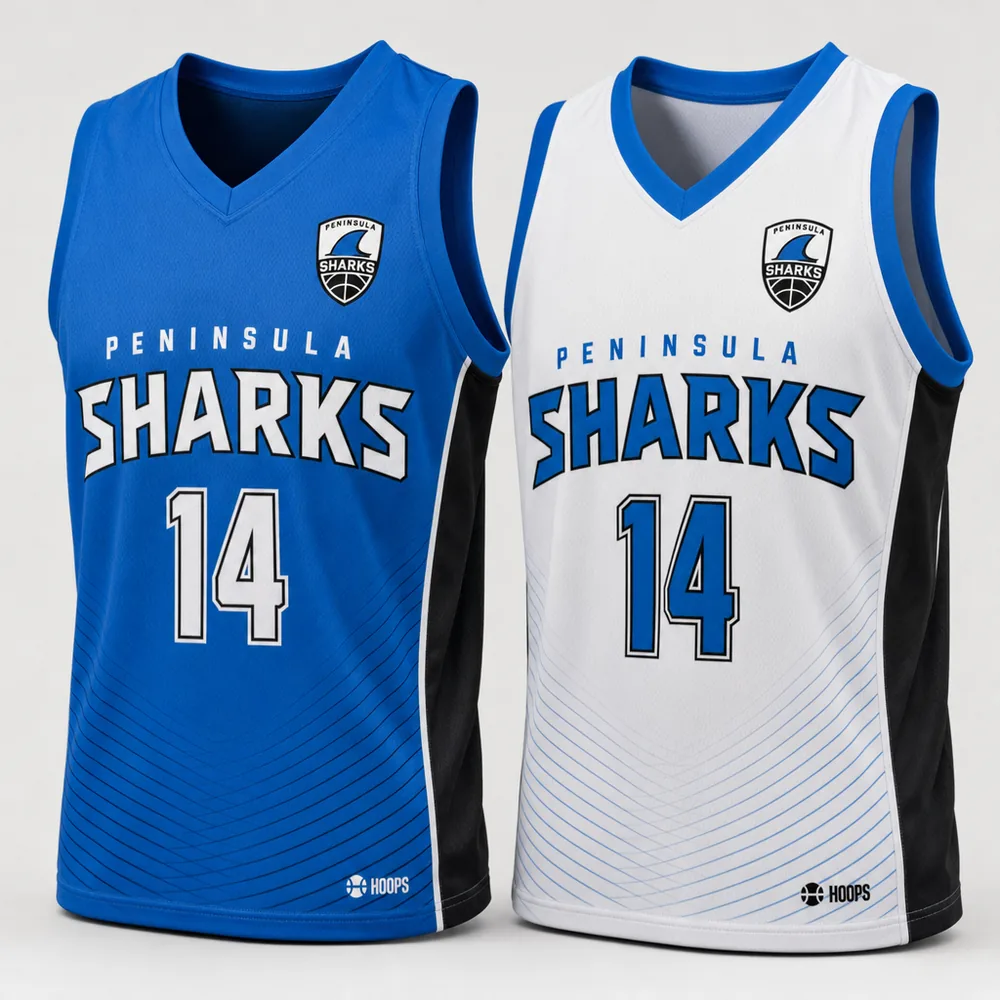
- You need a light and a dark version for most competitions.
- Design once for the whole range: singlets, warm-ups and hoodies.
The best basketball jersey designs use two or three strong club colours, one clear idea, and numbers that stand out from across the court. Start from what makes your club yours, such as your crest, your town or your club’s history, then build the design around it.
Below are ten ideas that work on court, the details you can change, and the rules every design has to pass.
Ten design ideas that work
- Classic trim. A solid body with contrast trim at the neck and armholes. Simple, sharp and easy to match for years.
- Side panels. A contrast panel down each side, with piping where it meets the body. Slimming and very common for good reason.
- Gradient fade. One colour fading into another from shoulder to hem. Easy with sublimation, impossible with screen print.
- Bold stripe. One wide diagonal or horizontal band across the chest. Strong from the stands.
- Pinstripes. Thin vertical lines in a darker shade of the body colour. Looks classic without being busy.
- Local landmark. A faint outline of your town’s skyline, a bridge or a mountain range in the background.
- Club animal pattern. A subtle scale, feather or claw-mark texture for a club named after an animal.
- Heritage design. Your club’s original colours or an old logo for an anniversary season.
- City edition. A second design in the same club colours for special rounds, as pro teams do.
- Indigenous round. A design commissioned from a local First Nations artist, with their permission and credit.
Choosing colours
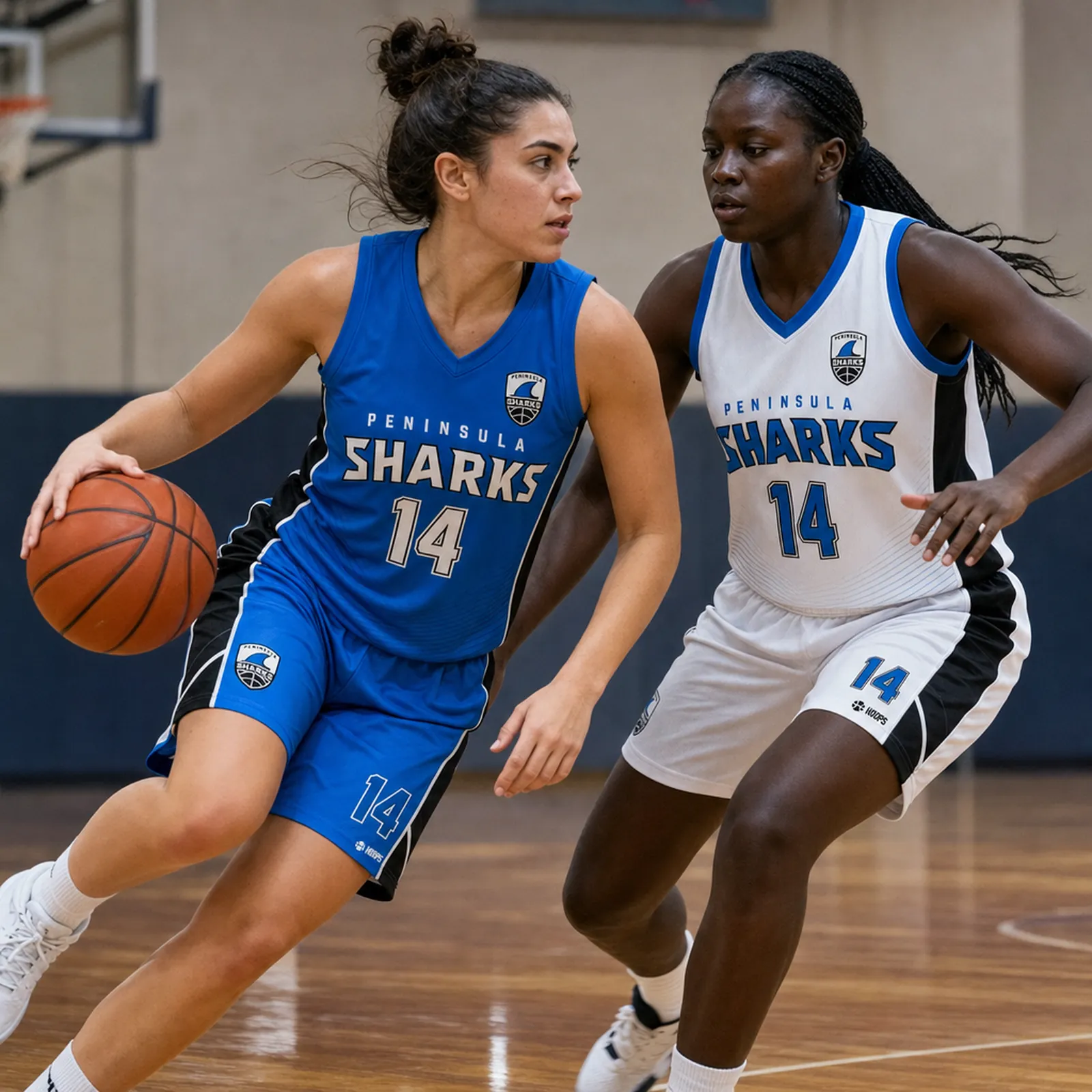
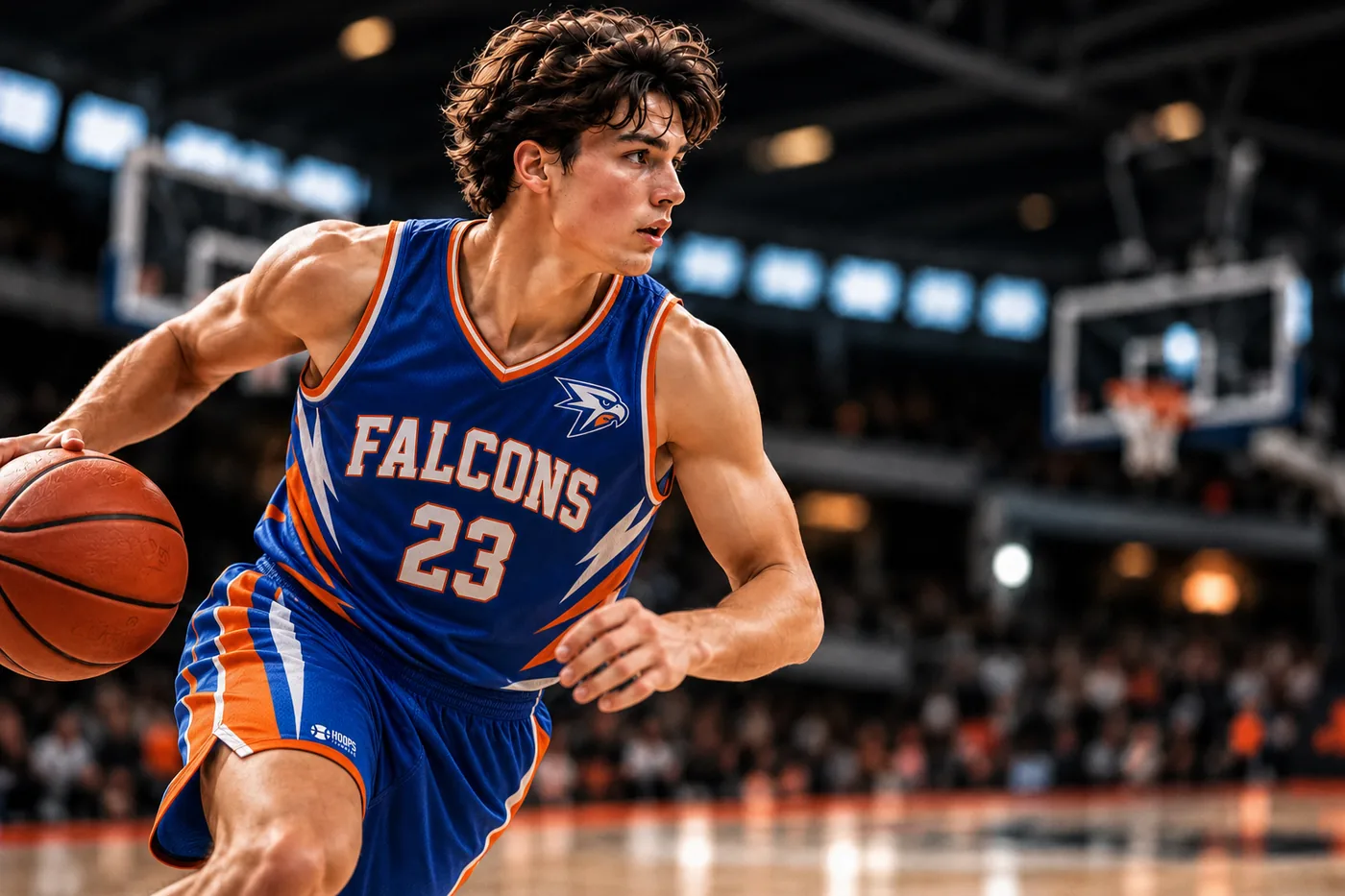
Stick to two main colours plus one accent. More than that and designs start to look busy. You also need a light and a dark version, because most competitions ask the home team to wear light singlets and the visitors dark.
See choosing club colours that read on court for which combinations work and which clash with the referees.
The details you can change
Small details change the whole look. On our playing singlet you can choose:
| Neck style | What it suits |
|---|---|
| V-neck | The classic game singlet. Suits every body shape. |
| Crew | Clean and modern. Leaves room for a number high on the chest. |
| Scoop | A lower, rounder neck. Popular with women’s teams. |
| Notched V | A V with a small notch at the point. A retro touch. |
| V with insert | A V filled with a contrast panel. Adds a third colour at the neck. |
- Side: a side panel with piping, or a plain side seam
- Hem: straight, or with side splits
- Fabric: breathable performance mesh, or a smooth interlock for sharper print detail
- Cut: unisex or women’s cut, from the same design. See women’s cut uniforms
Numbers, names and logos
Numbers have rules. Under FIBA rules they must be plain, solid and in a colour that contrasts with the singlet, at least 16 cm high on the back and 8 cm on the front. Some leagues still ask for 20 cm and 10 cm, so we print to the larger size. Logos need to sit clear of the numbers.
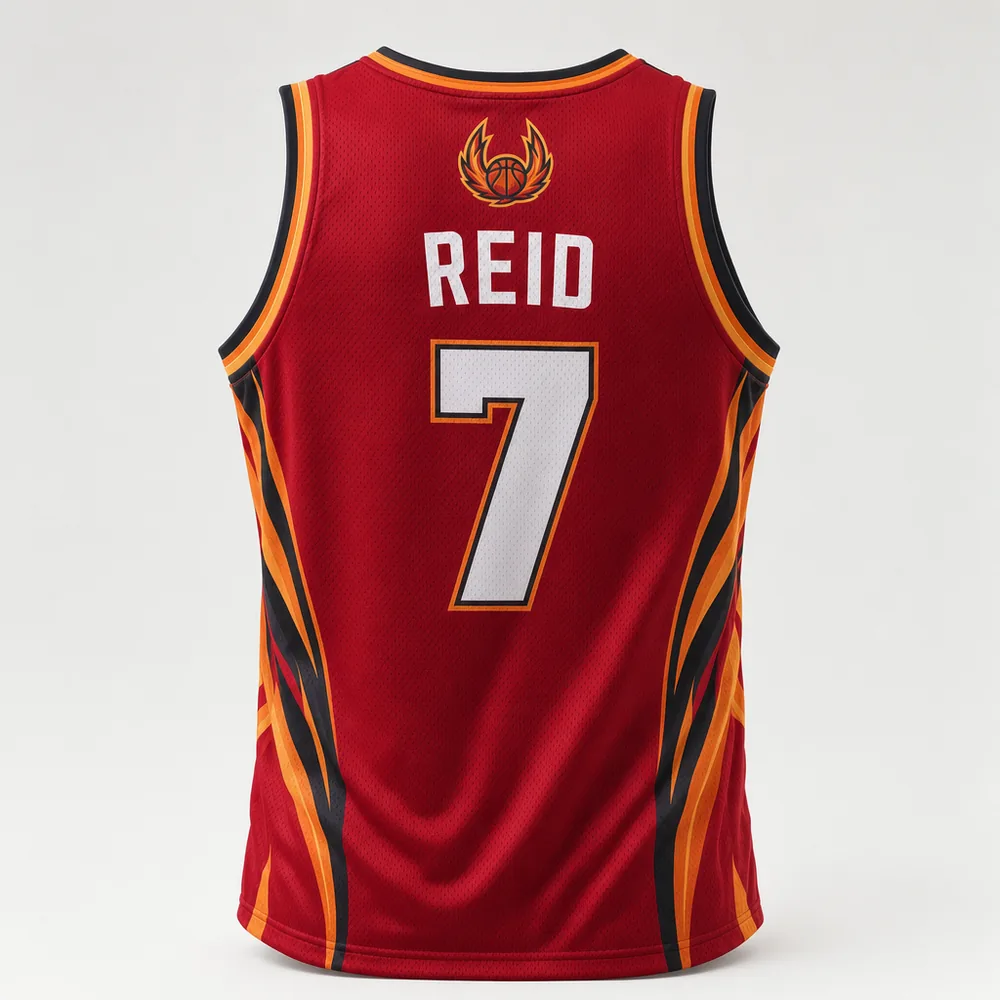
Your crest normally goes on the chest, with player names above the back number. For a crest that works on everything from singlets to caps, see designing a crest that works on every product.
Design for the whole range
Your jersey design will end up on shorts, warm-up tops, shooting shirts and hoodies. Pick a design element, such as a stripe, a pattern or a colour block, that can carry across all of them, so the club looks the same from the warm-up to the presentation night.
Start designing
You don’t need a designer. Try a style and your colours in Design Your Jersey, choose from our library of 60 designs, or send us a sketch or a photo of your current kit. We’ll send a free mock-up, and change it as many times as you need before you approve the proof.